
Farah Naz, the Designer, is Creating Fashion Meant to Be Worn, Remembered, and Passed On
Farah Naz, the Designer, is Creating Fashion Meant to Be Worn, Remembered, and Passed On
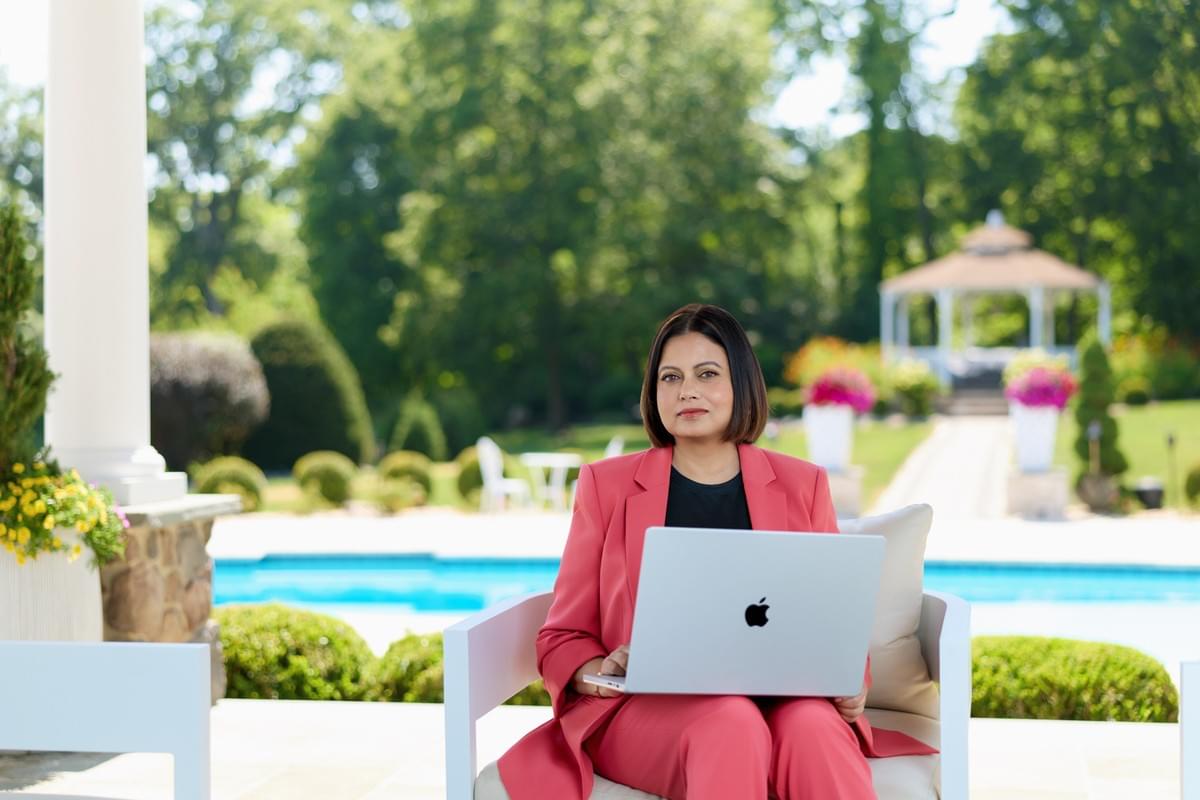
Photo Credit: Sylwia Wright
Farah Naz's interest in fashion began long before she thought about building a business. At thirteen, she was already paying attention to details most people overlooked. She studied fabrics, embroidery, construction, and the way a garment could completely change how someone carried themselves. What began as curiosity gradually became a career she was determined to pursue.
Leaving for the United States was one of the biggest decisions she would make. It meant starting over in a new country while chasing an ambition that had been taking shape for years. She went on to study at Parsons School of Design, where she refined her technical skills and developed a deeper understanding of luxury fashion. The experience broadened her perspective, but it also reinforced something she had always valued: craftsmanship deserves a central place in modern fashion.
When she launched Farah Naz New York in 2018, she entered an industry that rewards speed, constant reinvention, and seasonal trends. Her vision moved in a different direction. She wanted to build a label where every collection reflected careful workmanship, timeless design, and a respect for techniques that often take weeks or even months to complete.
Hand embroidery and hand-beading became defining elements of the brand, not because they were traditional, but because they gave each garment character. Every embroidered motif and every bead is placed by hand, creating pieces that cannot be reproduced through mass manufacturing. The process demands patience, precision, and the expertise of skilled artisans, making each design feel personal rather than interchangeable.
The brand's first major milestone arrived in 2019 with its debut at New York Fashion Week at Pier 59. More than 400 guests attended the presentation, introducing Farah Naz New York to editors, buyers, stylists, and industry professionals. Coverage from publications including Harper's Bazaar, ELLE, and The Cut brought wider visibility, but the event also confirmed there was room in luxury fashion for a brand that valued craftsmanship as much as contemporary design.
Farah's collections reflect both parts of her journey. Modern silhouettes sit alongside techniques that have been practiced for generations. Instead of treating heritage as something separate from contemporary fashion, she combines the two in a way that feels natural. A bridal gown may feature intricate handwork inspired by traditional craftsmanship while maintaining clean, modern lines. Eveningwear follows a similar approach, allowing detail to become part of the design rather than the focus of it.
Women remain at the centre of every collection she creates. Rather than designing for a particular age or lifestyle, Farah thinks about moments that matter. A wedding, an important celebration, or an event marking a personal milestone often becomes part of someone's memories for years to come. Clothing becomes part of those experiences, which is why she believes quality should extend beyond appearance. A well-made garment should continue to feel relevant long after the occasion has passed.
Discussions around responsible fashion often focus on materials or manufacturing processes. Farah sees longevity as another important part of the conversation. Creating garments that women wear repeatedly, preserve carefully, and pass down over time naturally reduces the cycle of constant replacement. During the pandemic, when demand for formalwear slowed dramatically, the brand expanded into ready-to-wear using recycled denim and organic knitwear. The shift responded to changing consumer needs while reinforcing her belief that environmental responsibility should be built into a business rather than introduced later as a marketing message.
Industry research increasingly supports that direction. Consumers are placing greater value on quality, durability, and versatility, particularly within the luxury market. Farah believes designers have a responsibility to create clothing that earns a lasting place in someone's wardrobe instead of encouraging short-term consumption.
Technology will continue influencing every part of fashion, from design software to production methods, and Farah welcomes many of those advances. At the same time, she doesn't see technology replacing the value of skilled craftsmanship. Embroidery, hand-finishing, and couture construction depend on experience that develops over many years, giving each garment a level of individuality that machines cannot replicate.
Looking ahead, Farah hopes the brand continues to grow without losing the values it was built on. Fashion trends will continue to change, but craftsmanship, thoughtful design, and attention to detail have remained relevant for generations. Those principles continue to guide Farah Naz New York as it expands its presence within luxury fashion while staying rooted in the work that first inspired its founder decades ago.