
Wall Street futures rise as Middle East tensions ease and oil prices fall
Wall Street futures rise as Middle East tensions ease and oil prices fall
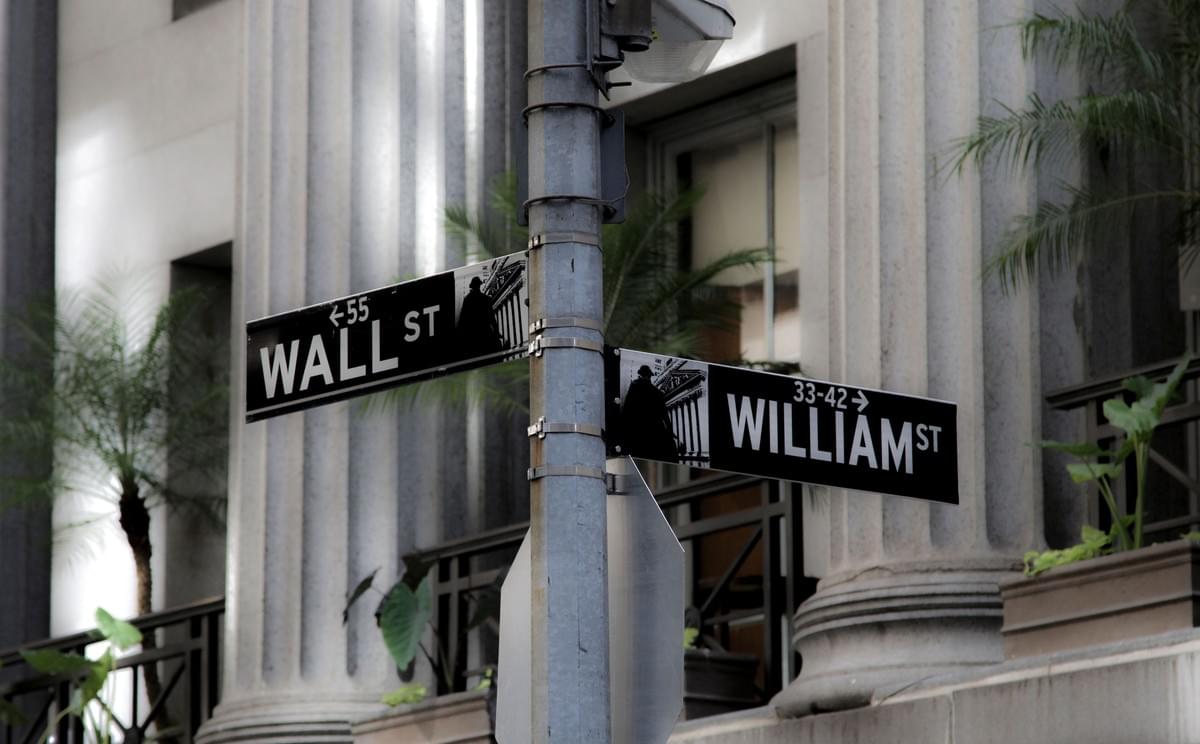
U.S. stock futures rose on Monday as investors welcomed signs that tensions in the Middle East were easing, pulling crude prices lower and giving Wall Street a firmer start to the week. The move came as traders also prepared for a busy stretch of earnings reports and economic data.
The early tone improved after President Donald Trump said talks with Iran on reopening the Strait of Hormuz would take place on Monday. Iran, however, said it was not engaged in direct talks, leaving markets with some uncertainty even as the immediate fear of escalation eased.
That was enough to push oil lower. Brent crude fell nearly 5% in early trading, unwinding part of the risk premium that had built up around the conflict. The drop in crude helped support futures across the major U.S. indexes, with investors taking a more constructive view of risk at the start of the session.
The Strait of Hormuz remains a central concern for global markets because it is one of the most important shipping routes for oil. Any threat to traffic through the waterway can move energy prices quickly, and in recent weeks it has been one of the biggest drivers of volatility across commodities and equities.
When oil falls, the relief usually extends beyond the energy market. Lower crude prices can ease pressure on companies that depend on fuel, shipping and industrial inputs, while also reducing the risk of a fresh inflation spike. That in turn can improve sentiment in stock markets, especially when investors are already looking for clues on interest rates and economic growth.
The latest move also reflected a broader shift in tone around the conflict. Markets had been bracing for the possibility of a sharper military response, but the weekend developments pointed instead toward diplomacy, or at least a pause in the immediate pressure. For traders, that distinction mattered.
The reaction was not limited to oil. Stock futures moved higher before the opening bell as investors responded to the softer geopolitical backdrop. The gains suggested that market participants were willing to re-enter risk-sensitive assets once the prospect of an abrupt escalation appeared less immediate.
Still, the mood was cautious rather than euphoric. Traders know that Middle East headlines can change quickly, and the market’s reaction on Monday was best understood as a response to the latest news rather than a firm sign that the region has stabilized. A single new development could easily reverse the tone.
That uncertainty is why the coming days will matter. Investors are also watching corporate earnings and economic releases that could shape expectations for growth, inflation and Federal Reserve policy. Those factors are likely to compete with geopolitics for market attention as the week unfolds.
For now, the main story is the pullback in crude and the relief that followed. Oil had been under pressure from fears that tensions could disrupt supply through a critical global chokepoint, but the latest headlines encouraged traders to unwind some of that anxiety. The result was a modest lift in equities and a calmer start to the trading week.
The energy market will remain the most sensitive barometer of how investors view the situation. If diplomatic efforts continue, crude prices could stay under pressure. If tensions flare again, the risk premium could rebuild just as quickly. That makes the next round of headlines crucial not only for oil traders, but for the broader market as well.
For businesses, the direction of oil matters well beyond the energy sector. Airlines, transport firms, manufacturers and retailers all benefit when fuel costs come down. Consumers also tend to feel the difference more quickly at the pump, which can shape spending patterns and confidence. That is why even a short-term drop in crude can have a wider economic effect.
The market’s response on Monday showed how closely stocks remain tied to the Middle East. A softer geopolitical backdrop was enough to lift sentiment, at least for the moment. But the reaction also highlighted how fragile that improvement remains.
For investors, the challenge now is whether the easing in tensions proves durable. If it does, the market may have room to focus more fully on earnings and economic data. If it does not, Monday’s rally in futures may prove to be only a brief pause in a volatile stretch.
That is why traders are treating the move as encouraging, but not definitive. A single headline from the region could still reverse the mood quickly, especially with markets already sensitive to inflation, rates and corporate guidance.
Energy stocks may soften if crude stays under pressure, while fuel-heavy sectors such as airlines and transport could see some relief. For now, though, the broader message from Monday’s premarket session is simple: investors are more comfortable owning stocks when the immediate threat to oil supply looks less severe.
Even so, caution remains the dominant tone. The week ahead could still be shaped by geopolitics, and by the time the market opens, the story could look very different. That is the nature of trading on conflict headlines: sentiment can improve in an instant, but it can also disappear just as quickly. Traders will watch the next headlines closely. That is the near-term test.