
Why Michelle Coffino Refused to Let a Male-Dominated Industry Define Her Success
Why Michelle Coffino Refused to Let a Male-Dominated Industry Define Her Success
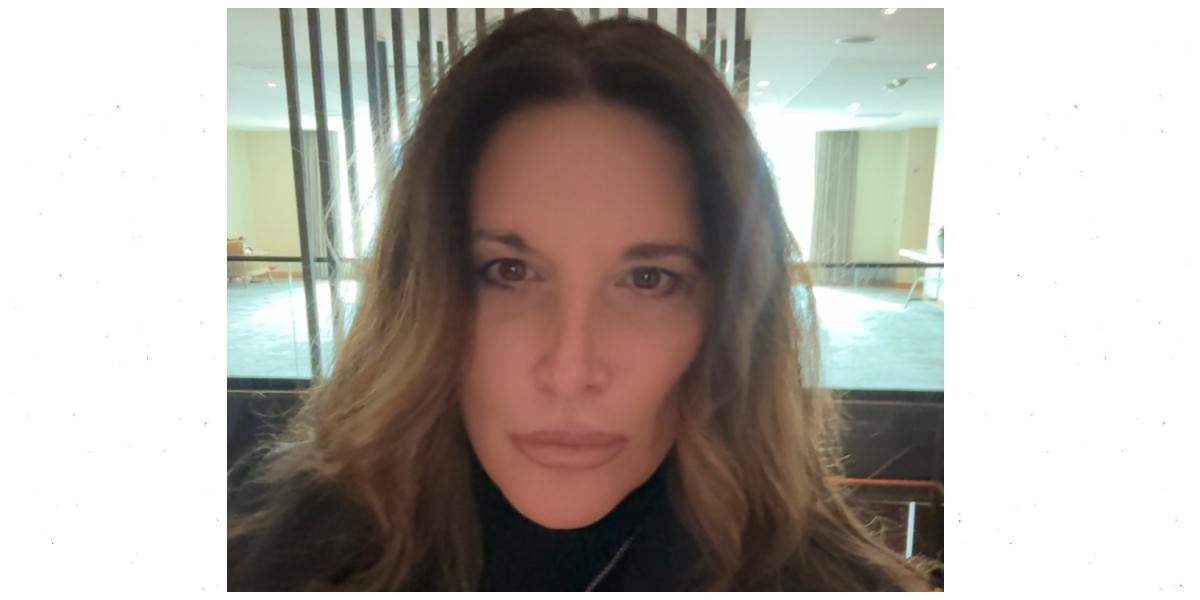
People often say opportunity is everywhere. The truth is, opportunity doesn't always look welcoming. Sometimes it looks like walking into a room where no one expects you to belong, knowing you will have to earn respect before you have spoken a single word.
Michelle Coffino understood that reality the day she entered the metal recycling business. Before starting one of North Carolina's respected recycling companies, she owned a salon and worked in cosmetology. Many people thought her background didn't match the image of someone who could lead in an industry mainly dominated by men; instead of seeing that as a disadvantage, she treated it as another problem to solve.
She was not interested in proving a point; she just wanted to build a business. Michelle noticed something important when she entered the recycling industry. She focused on understanding and learning everything about the industry rather than changing people’s opinions. She studied operations, logistics, commodity markets, pricing, equipment, and customer relationships. For her, every day became an opportunity to understand the industry.
She learned something important that has shaped her leadership since then. She came to believe that industries reward competence, consistency, and results, not stereotypes. This lesson became more valuable than trying to meet others' expectations.
The recycling industry has traditionally been one of the most male-dominated sectors in the United States. Women remain significantly underrepresented across waste management, heavy industry, and related operations. Michelle never ignored that reality, but she also refused to let it become the story of her career. She believed that credibility isn't given because of gender. It's earned through knowledge, consistency, and the way you treat people. That approach changed everything.
Customers weren't looking for someone who fit a stereotype. They wanted fair pricing, honest weights, reliable service, and someone who would do what they promised. Michelle built Queen City Metal Recycling around those values. Over time, the business grew into one of North Carolina's trusted recycling companies and later expanded with its sister yard, Dale's Recycling, serving communities across the state.

However, growth was never the finish line. As the business expanded, Michelle began asking a bigger question: what if a recycling company could help rebuild lives as well as recycle materials?
That thinking led to the Second Chance Program. It is a nonprofit that supports people rebuilding their lives after incarceration through workforce development, second-chance employment, addiction recovery, family reunification, and mental health support. Every pound processed through Queen City Metal helps support that mission. It reflects the same belief that guided her from the beginning, that a business should create value beyond its balance sheet.
That experience became the foundation for Generational Health, a platform that brings together mental health professionals, peer support, crisis resources, and care coordination in one place. Although very different from recycling, it followed the same philosophy that has guided every business she has built: find a real problem, understand it completely, and build something that genuinely helps people.
Looking back, Michelle's success wasn't built by proving critics wrong. It was built by refusing to let their expectations determine what she could accomplish. She showed up, learned the business, earned trust, and stayed consistent when it would have been easier to walk away.
Michelle Coffino’s story shows that barriers don’t fall overnight, especially in slow-changing industries. Real influence rarely starts by convincing people. It starts by doing the work so well that the question isn’t whether you belong anymore; it’s about the standard you set.